
Neon. Flash. Glam.
Relive the synth era with neon lighting, high-contrast glam, and the vivid, punchy look of 80s photography — from fashion editorial to VHS birthday parties.
Explore camera looks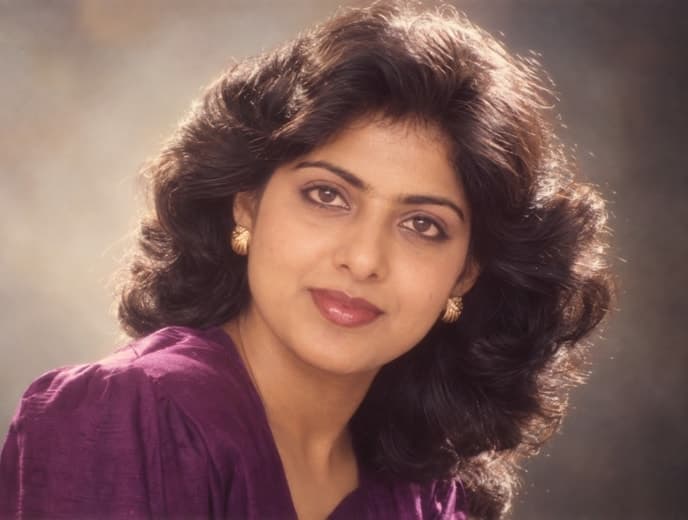
1980s Photo Filters
The 1980s were loud, bright, and gloriously excessive. Photography reflected the era: vivid colors, strong flash, high contrast, and a sense that everything should be as dramatic as possible. Fujifilm and Kodacolor print films dominated consumer photography, producing images with boosted saturation and a slight bluish cast in highlights — the signature of the era. Throwback's 80s filters recreate that electric look: punchy colors, deep shadows, and the unmistakable flash-forward feel of a decade that never apologized for being too much.
- Film Stock
- Fujifilm 100 & Kodacolor 200
- Palette
- Vivid magentas, cyan highlights, deep blacks
- Flash
- On-camera flash simulation with blown highlights
- Contrast
- High contrast, deep shadows
- Mood
- Electric, bold, unapologetic
A few things about 1980s photography.
What gives 80s photos their signature look?
The 80s look comes from a combination of factors: consumer print films with boosted saturation, heavy on-camera flash use, and the color processing chemistry of the era. Our camera looks draw on the color character of consumer flash photography — those vivid pinks, warm reds, and cyan-shifted highlights.
Can I make modern photos look like 80s fashion photography?
Yes. Throwback's 80s filter is tuned for both casual snapshots and editorial looks. Apply it to portraits for that high-contrast, punchy glam aesthetic seen in 80s Vogue or Harper's Bazaar.
What is the difference between 80s and 90s photo aesthetics?
The 80s look is more vivid, high-contrast, and flash-heavy. Colors are more saturated and the overall feel is dramatic. The 90s aesthetic tends toward softer, more faded tones with a rawer, more candid quality — less glamour, more authenticity.
Does the 80s filter work on group photos?
Great question — 80s flash photography was defined by group shots at parties and events. The filter simulates the over-exposed foreground and dark background typical of point-and-shoot flash photography from the era.
Make a memory worth finding.
Bring your own photograph, find its camera character, and keep the result. Start in the browser studio.