
Give your photo a 90s disposable-camera look.
Disposable. Candid. Chaos.
Same people. Same scene. Add the warm flash, grain and imperfect edges of After Hours, then dial the feeling up or down.
Try the 90s camera lookFree, local photo editing. Keeps your people and scene in place.
For new styling and setting: try a 90s AI Time Portrait ↗ OriginalAfter Hours
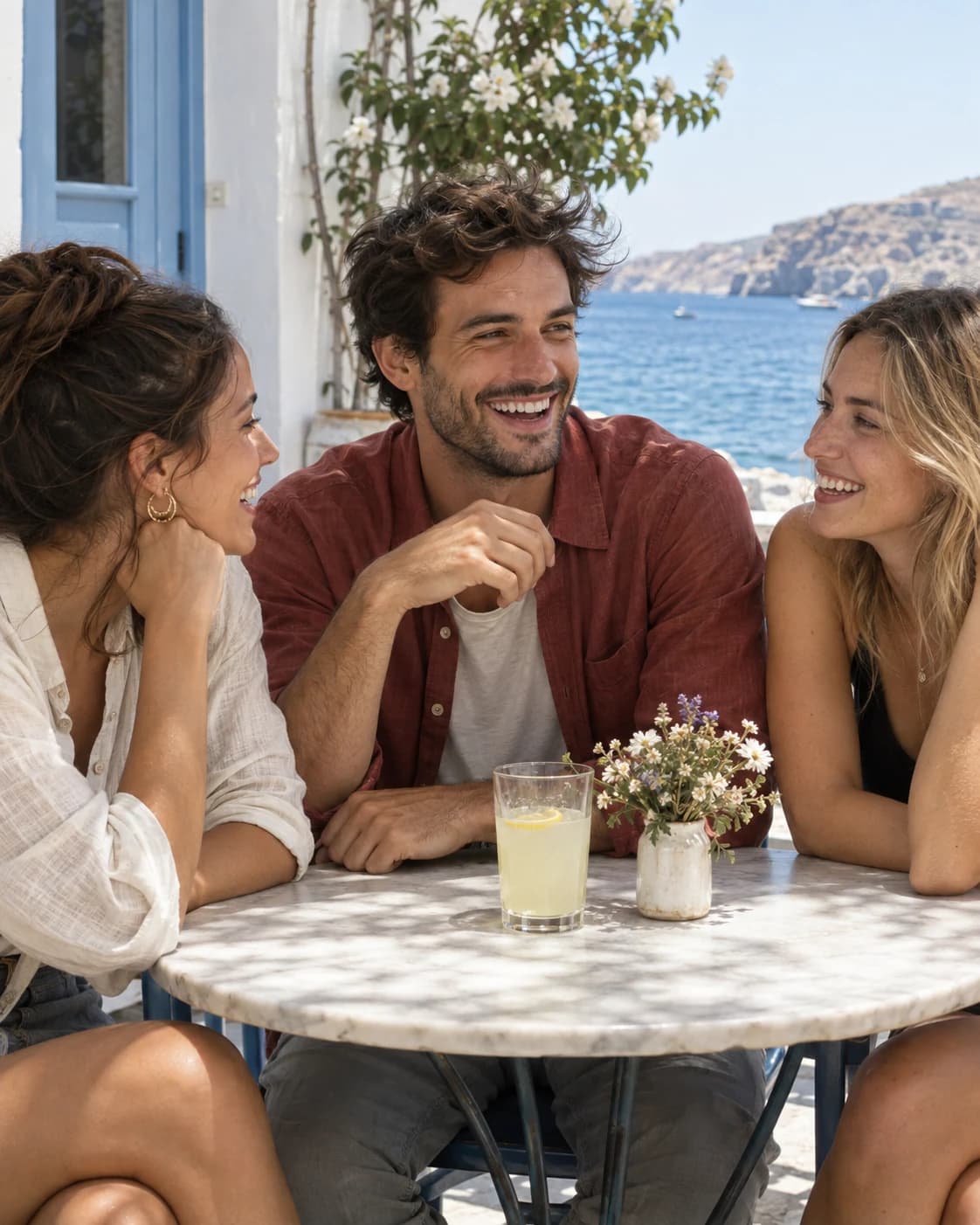
1990s Photo Filters
A 90s photo can mean a disposable-camera party snapshot, a school portrait or a carefully made fashion image. This page follows the candid, direct-flash side of that wider decade. Throwback's After Hours process is an authored camera-look interpretation with warm flash color, imperfect edge detail and visible grain. It changes the photograph's rendering locally while keeping its people, place and composition in view.
See the real before-and-after and process notes for the After Hours disposable-camera process, then open it directly in Studio.
For a controlled same-source comparison, read why 1998 disposable and 2003 digicam photos look different.
Want a different kind of transformation? Start with your own portrait in the 1990s AI Time Portrait. It reimagines the wider photographic world, unlike a local camera look.
- Film Stock
- Disposable-camera inspiration, not a named-stock replica
- Palette
- Warm flash color and uneven shadows
- Grain
- Visible color-negative-inspired texture
- Flash
- A local, scene-aware flash treatment
- Mood
- Raw, candid, unguarded
A few things about 1990s photography.
What makes disposable camera photos look unique?
There is no single disposable-camera look. Lens softness, film, flash distance, exposure and print handling all affected the result. Throwback's After Hours process is an authored interpretation with warm flash color, spatial softness and grain, not a calibrated replica of a specific camera or film stock.
Is the 90s filter good for party photos?
Candid groups and evening scenes can suit the After Hours look. Try the local process on your own photo, adjust its intensity and compare it with the original before saving.
What is the difference between the 90s and 2000s photo aesthetic?
This side of the 90s look draws on disposable-camera flash and grain. Early-2000s digicam photos have a different character: sharper little edges, clipped highlights and digital artifacts. The decade covers many kinds of photography; these are two camera-inspired paths through it.
Can I use the 90s filter for fashion photography?
Yes. After Hours changes color, texture and edge character while preserving the people and scene in your photo. For a broader 1990s reimagining that can change styling and setting, try the separate AI Time Portrait experience.
Make a memory worth finding.
Bring your own photograph, find its camera character, and keep the result. Start in the browser studio.